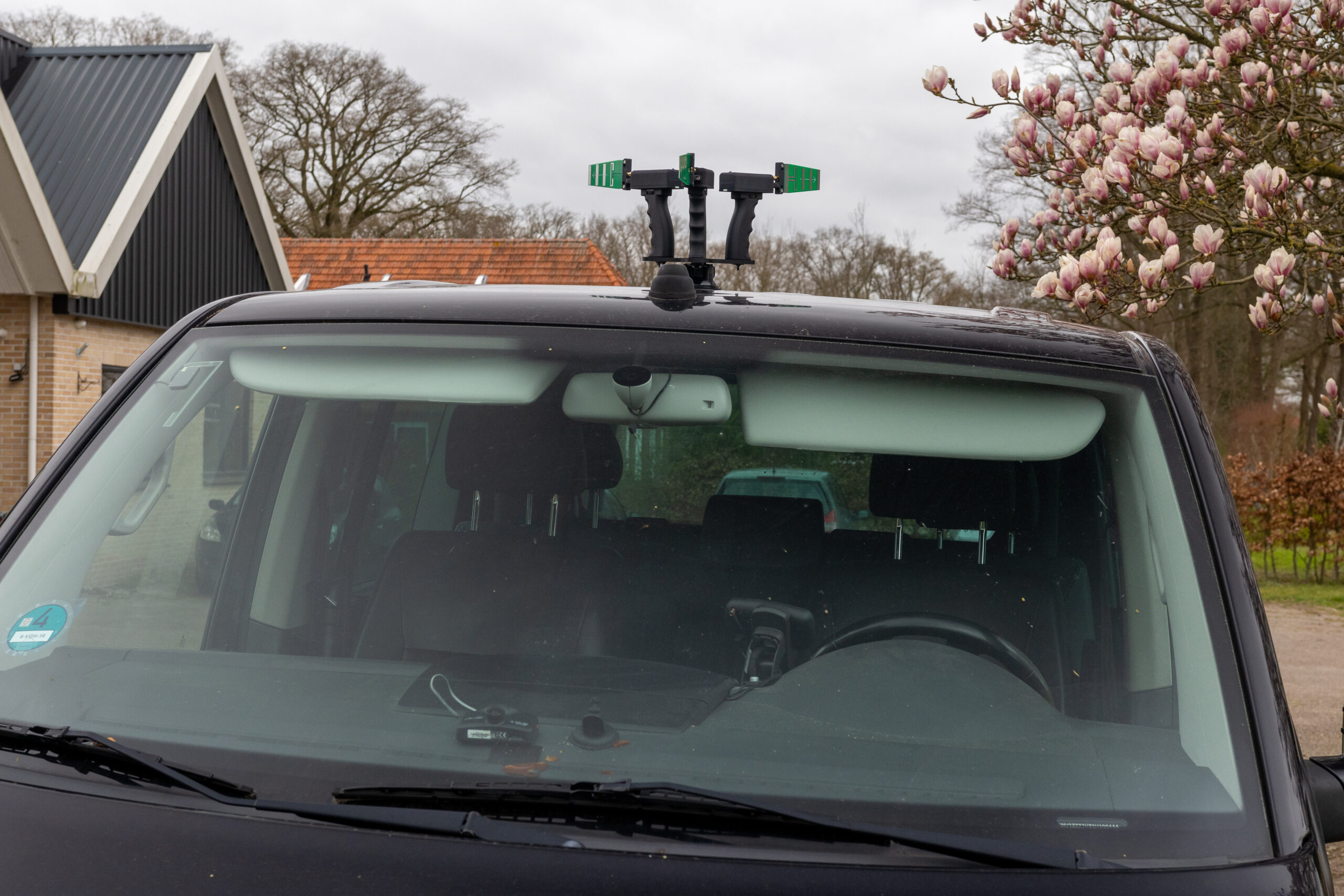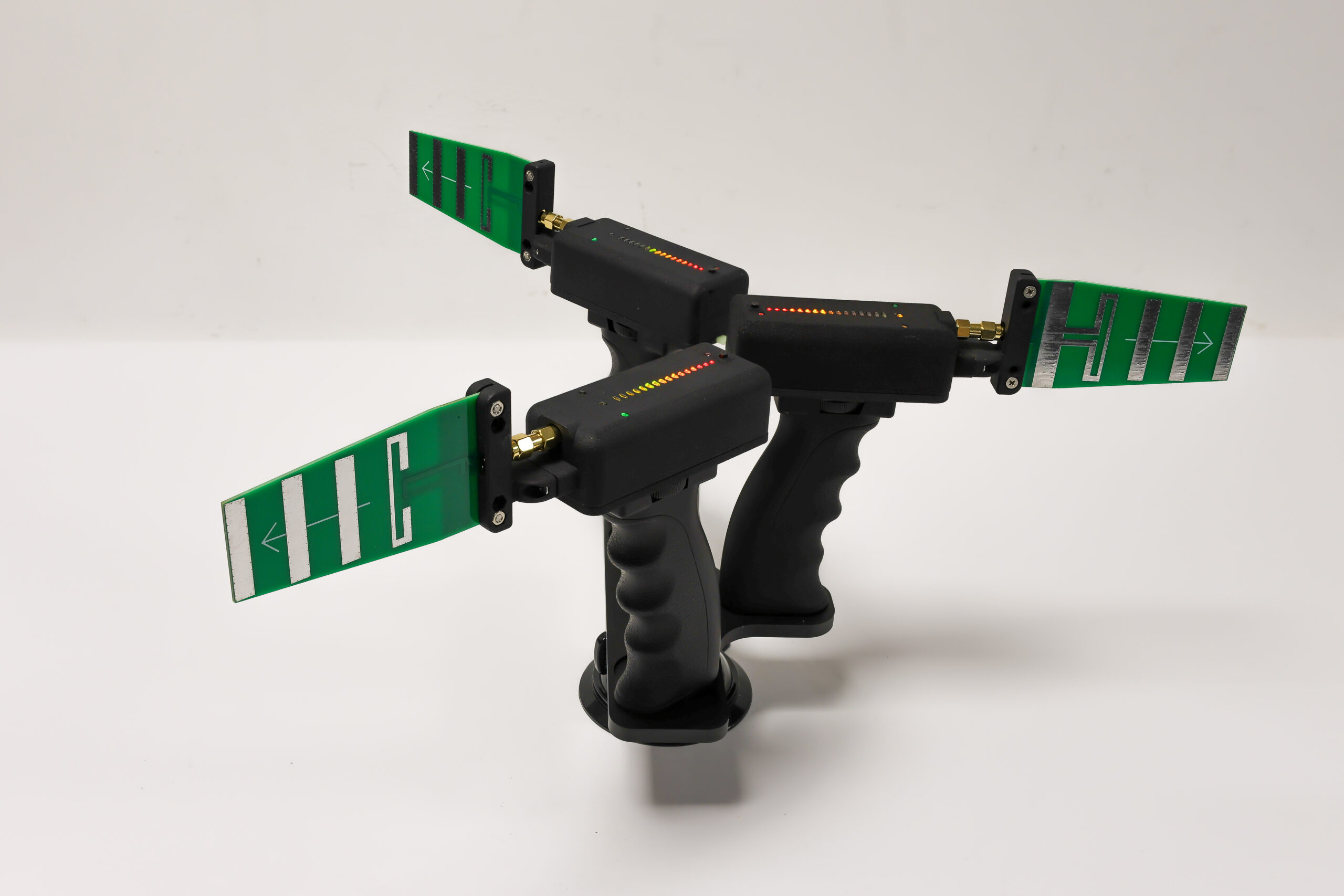
 Complete set in a single sturdy case 5 reusable transmitters included Automatic transmitter retrieve 3 ultra-sensitive and directional receivers Multi-chargers included Quick and safe installation Fully equipped for practical use Free VespaFinder app included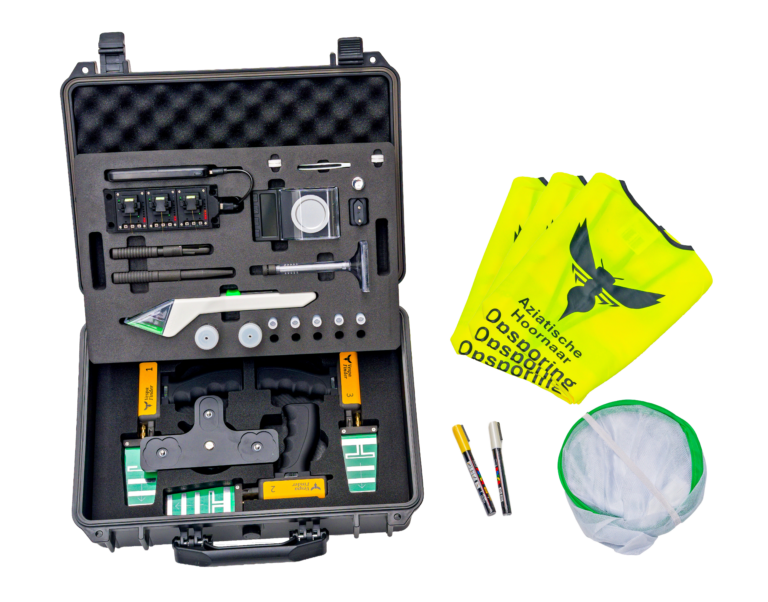
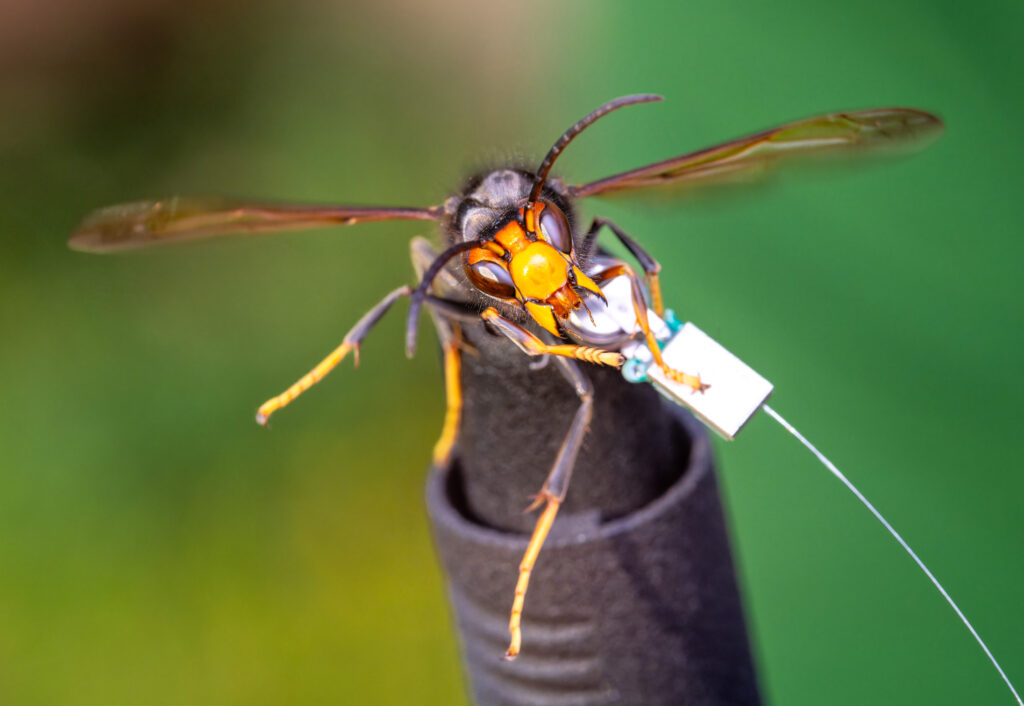
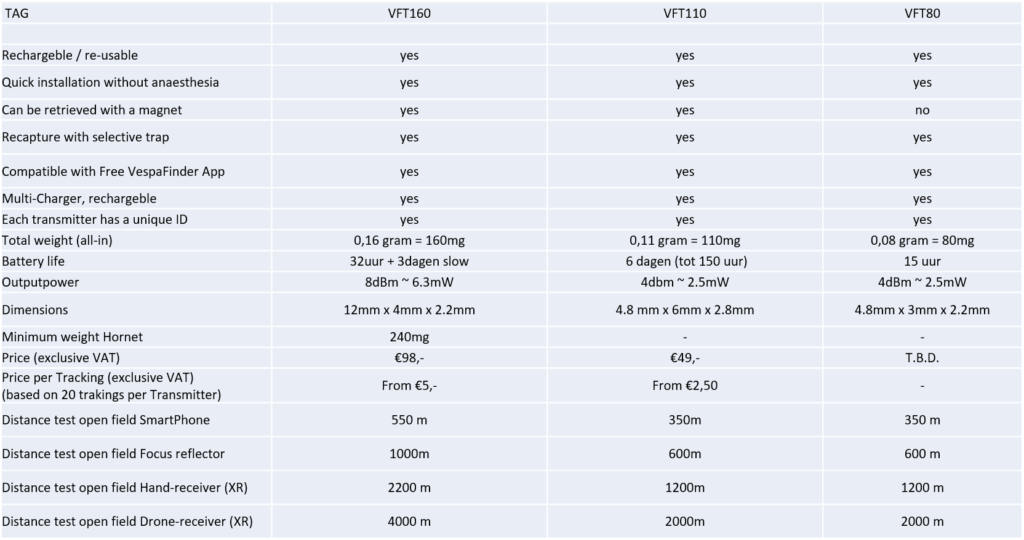
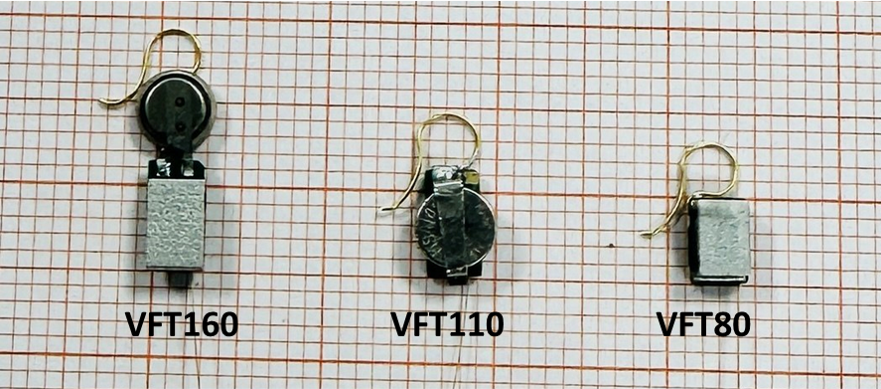
The VFT160 has been designed for reliable tracking over longer distances and intensive professional use. This powerful BLE transmitter is rechargeable, reusable and can be automatically retrieved using a magnet on the propeller housing.
Thanks to the clever attachment method, the hornet’s natural behaviour is preserved, allowing it to fly and walk as normal. In practice, this means that up to 95% of the transmitters are recovered automatically without any additional action being required.
High transmission power
Automatic transmitter recovery
Reusable and rechargeable
Proven in thousands of investigations
The VFT80 has been developed for applications where an extra-light transmitter is required. Despite its compact size, this transmitter delivers excellent performance for tracking smaller insects such as wasps and bees.
The VFT80 is rechargeable and reusable, but because it is so light, it is retrieved manually using a butterfly net or a selective trap.
Extra-lightweight design
Suitable for smaller insects
Rechargeable and reusable
Professional BLE tracking technology
The VFT110 combines a compact design with powerful performance and has been developed to offer maximum flexibility in the field. The transmitter features a rechargeable and replaceable battery, ensuring that users always have transmitters ready for immediate use.
With a battery life of up to approximately 150 hours, the VFT110 is ideal for locating primary nests and lighter workers. In addition, this transmitter can also be retrieved automatically using the magnetic system.
Replaceable battery
Up to approximately 150 hours of battery life
Automatic transmitter recovery
Designed for intensive professional use
All Robor’s reusable VespaFinder transmitters comply with the European Battery Regulation (EU Battery Regulation 2023/1542) thanks to the use of rechargeable and replaceable batteries.
When used in conjunction with the VespaFinder app and the XR handheld receiver, this creates an efficient, sustainable and future-proof system for professional nest detection.
Using specially developed tools, the VespaFinder transmitter can be attached to the Asian hornet easily and securely. The installation method is designed to work efficiently in the field, whilst preserving the hornet’s natural behaviour as much as possible.
All the necessary tools and accessories are included as standard in the Robor Nature detection kit, allowing users to get started straight away with professional results.
Quick and safe installation
Specially designed for clinical use
No complicated mounting methods
Supplied complete in the detection kit
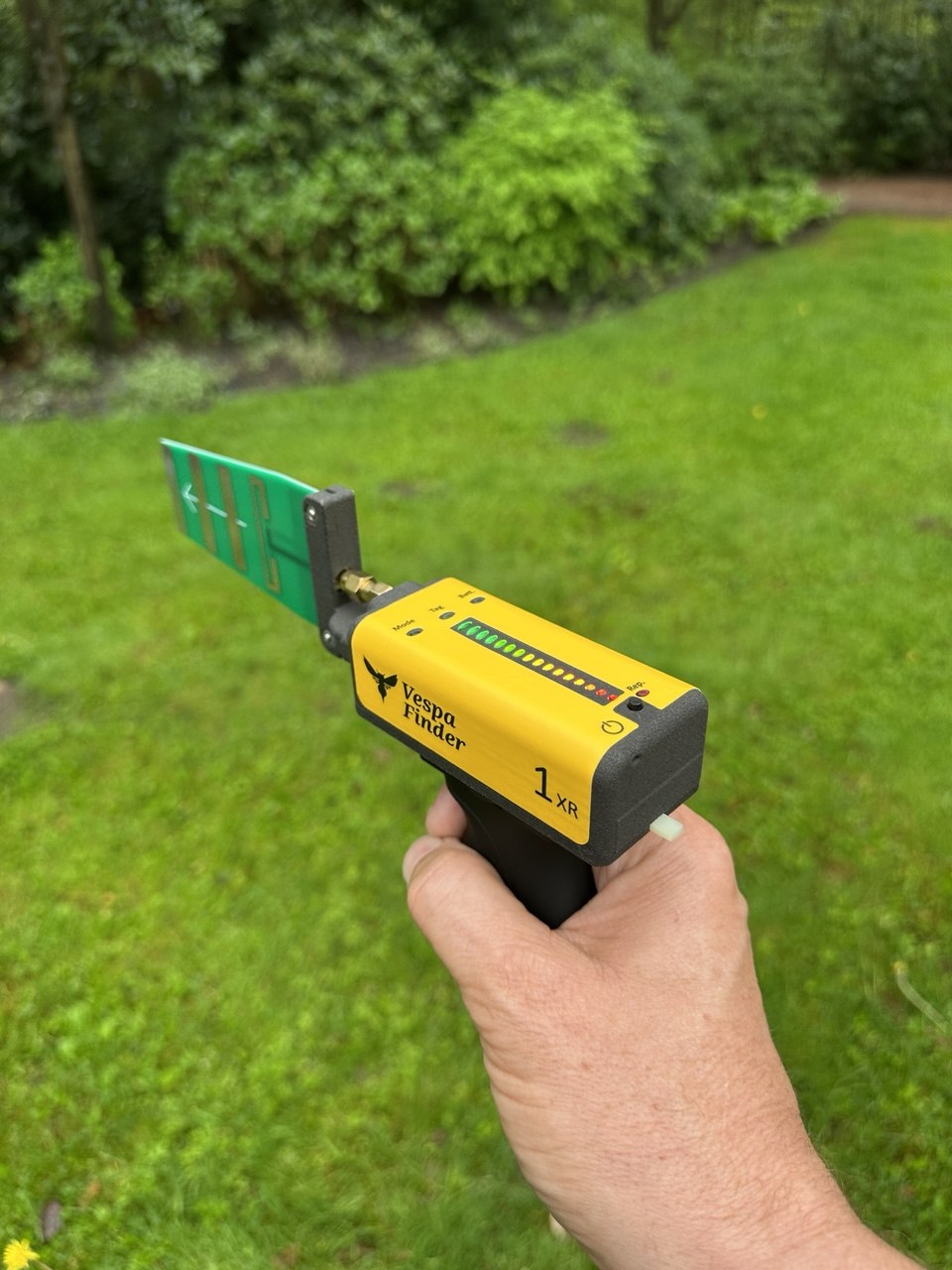
The VespaFinder Receivers form the heart of the Robor Nature detection system and have been specially developed to accurately locate Asian hornet nests. Thanks to advanced Bluetooth (BLE) technology and directional reception, the exact nest location can be pinpointed.
Since 2024, Robor Electronics has been continuously developing these professional receivers based on practical experience in the field. The receivers accurately indicate the direction of the strongest signal, enabling efficient and targeted searches.
VespaFinder Receiver Extended Range (VFR XR)
In 2026, Robor Electronics launched the improved VespaFinder Receiver Extended Range (VFR XR). This new generation of receivers has a significantly greater range and makes it possible to locate nests even more accurately and efficiently.
The built-in signal meter displays the direction of the strongest signal in real time, allowing users to navigate directly to the source without needing a smartphone.
In addition, the VFR XR enhances safety during search operations, as it makes it easier to determine whether a nest is high up in a tree or closer by in vegetation or bushes.
Directional BLE receiver
Designed for professional field use
Suitable for both individual and team-based detection
Efficient reception over longer distances
Extended Range technology
Highly accurate direction detection
Integrated real-time signal meter
Works independently without a smartphone
Designed for maximum safety and efficiency
All VespaFinder receivers have been developed by Robor Electronics, drawing on years of practical experience, thousands of successful recoveries and intensive use in the field.
Boosts the smartphone’s Bluetooth signal Directional nest detection Compatible with Android and iOS Real-time sharing of search queries Designed for safe and efficient use in the field Patent pending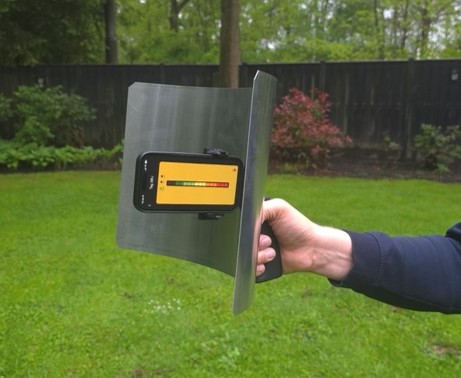
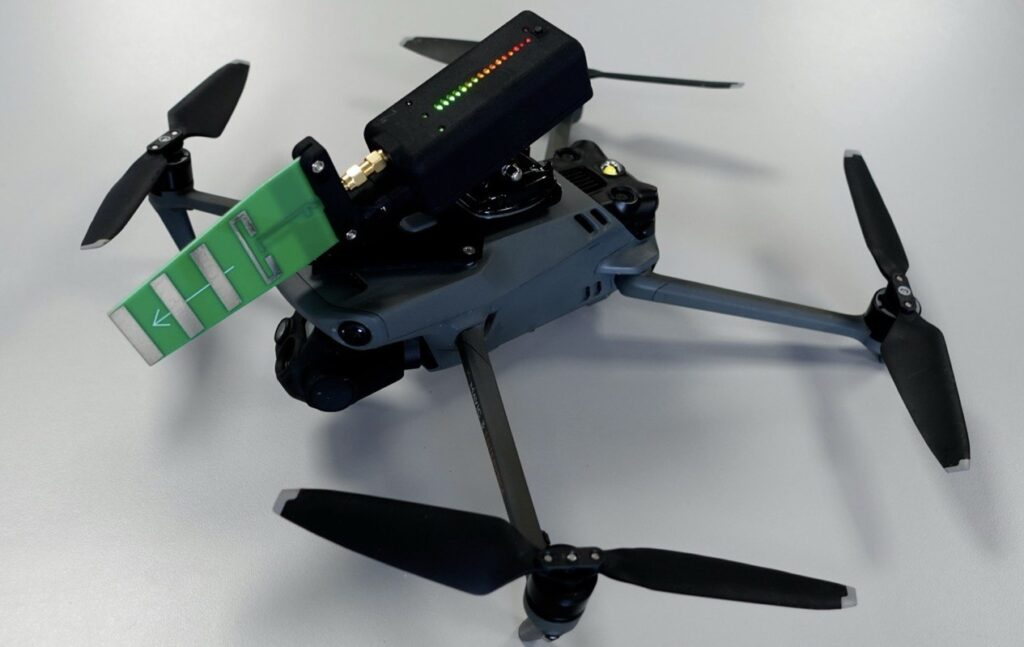
With the VespaFinder app, users can actively help track down Asian hornet nests using an Android or iOS smartphone. The app works in conjunction with VespaFinder transmitters and makes it possible to map out search areas quickly and precisely.
A key feature of the app is its smart nest prediction technology. By analysing flight times and directions, it can calculate the likely location of the nest. In practice, this means that in around 25% of cases, the nest is found without the need for further tracking.
When a user receives a transmitter signal, other users within the network can also use this information to search more efficiently as a group. This creates a powerful tool for professional search and rescue operations in both urban and wooded environments.
The VespaFinder app is available free of charge and is easy to install on both Android and iOS smartphones.
Compatible with Android and iOS
Smart prediction of nesting sites
25% of the nests were found without further transmission
Real-time support during investigations
Collaborating through shared search data
Available free of charge and easy to install without an account

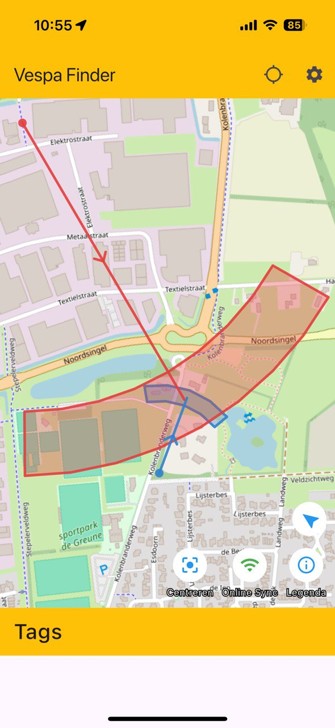
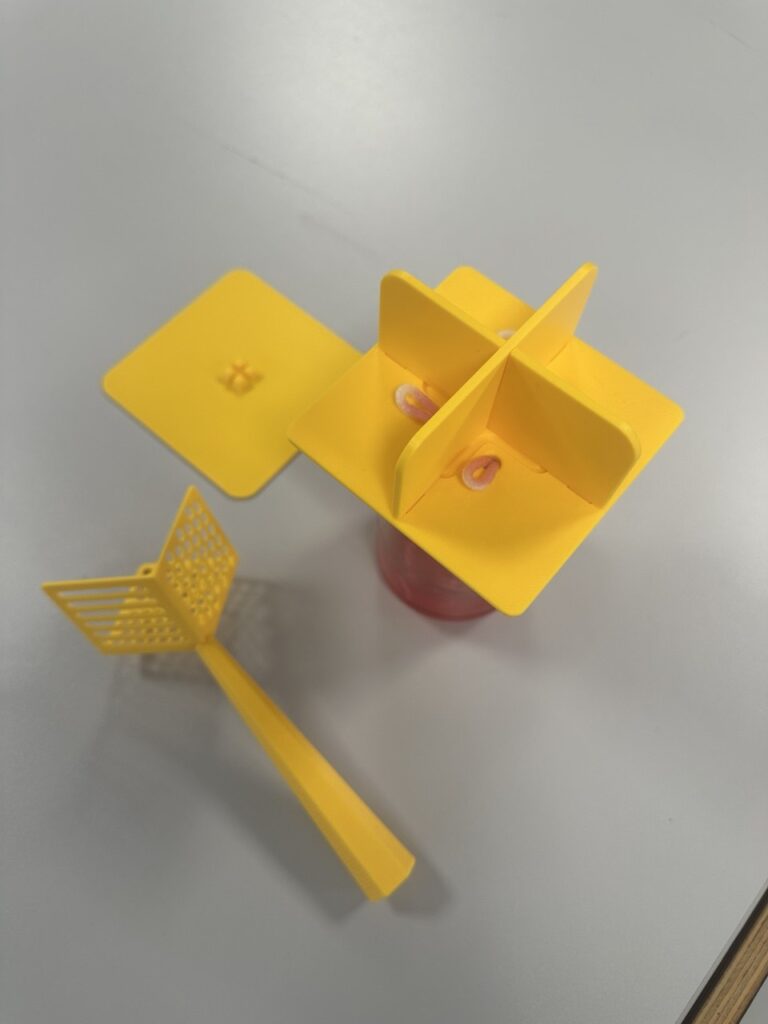
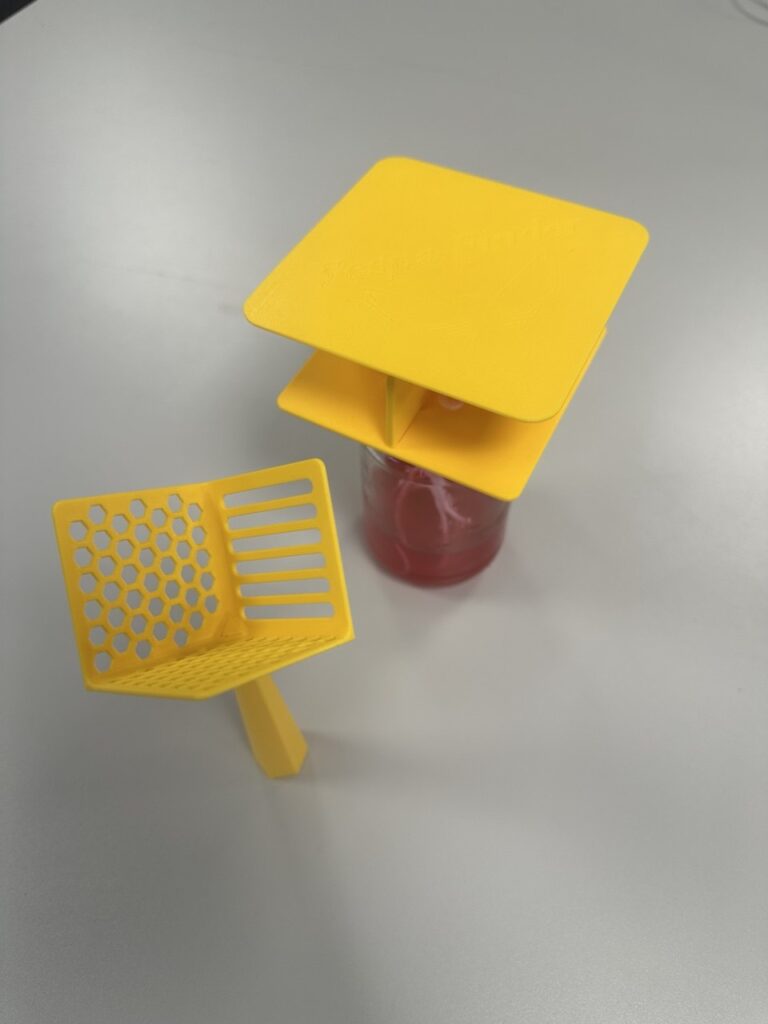
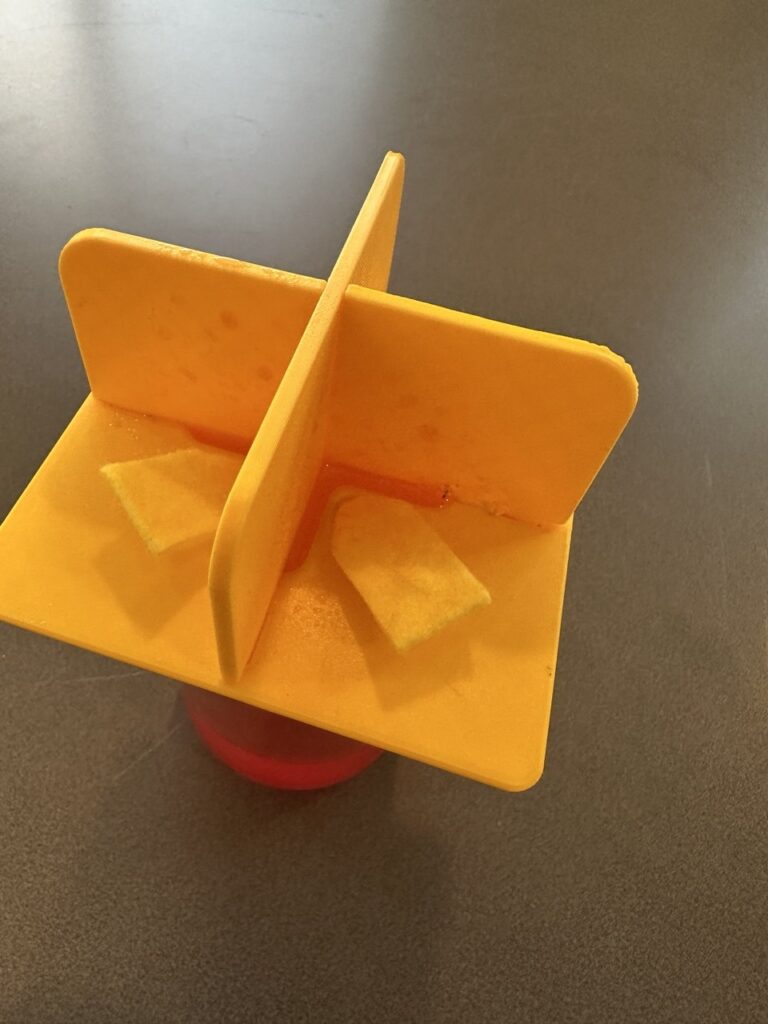
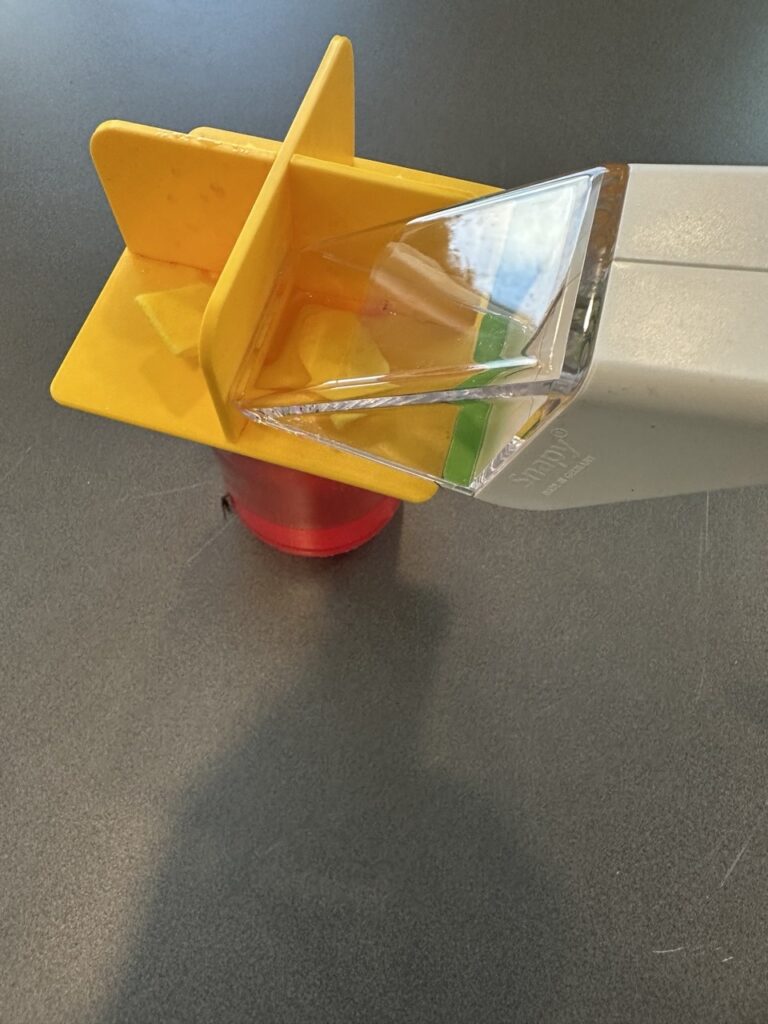
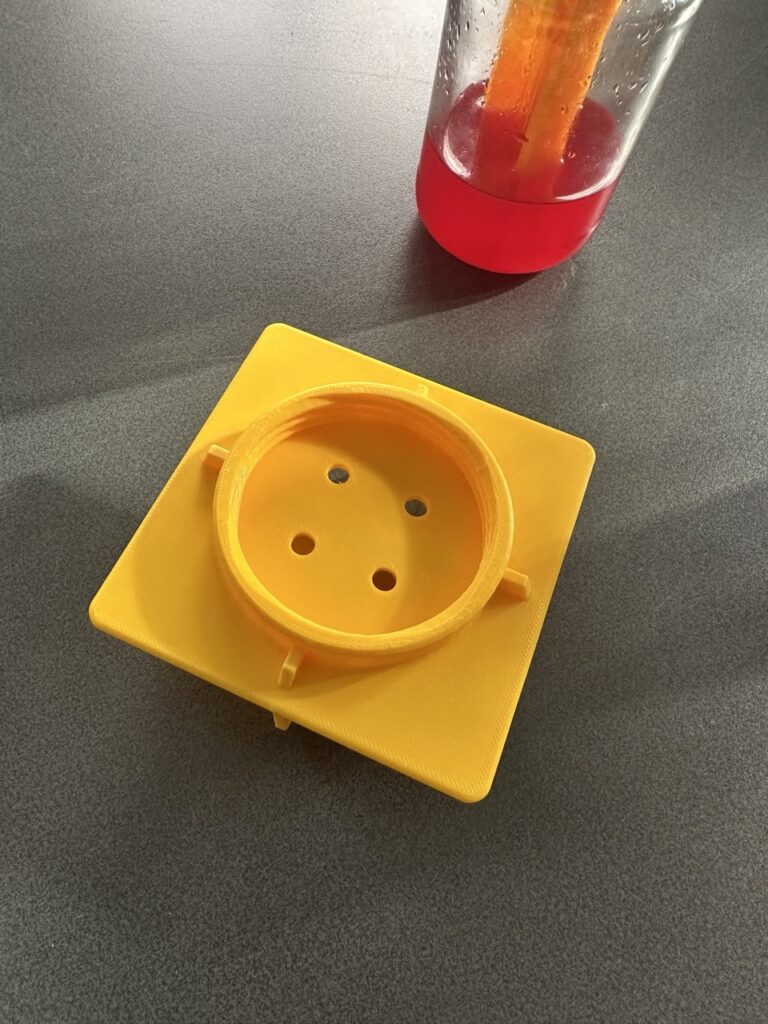
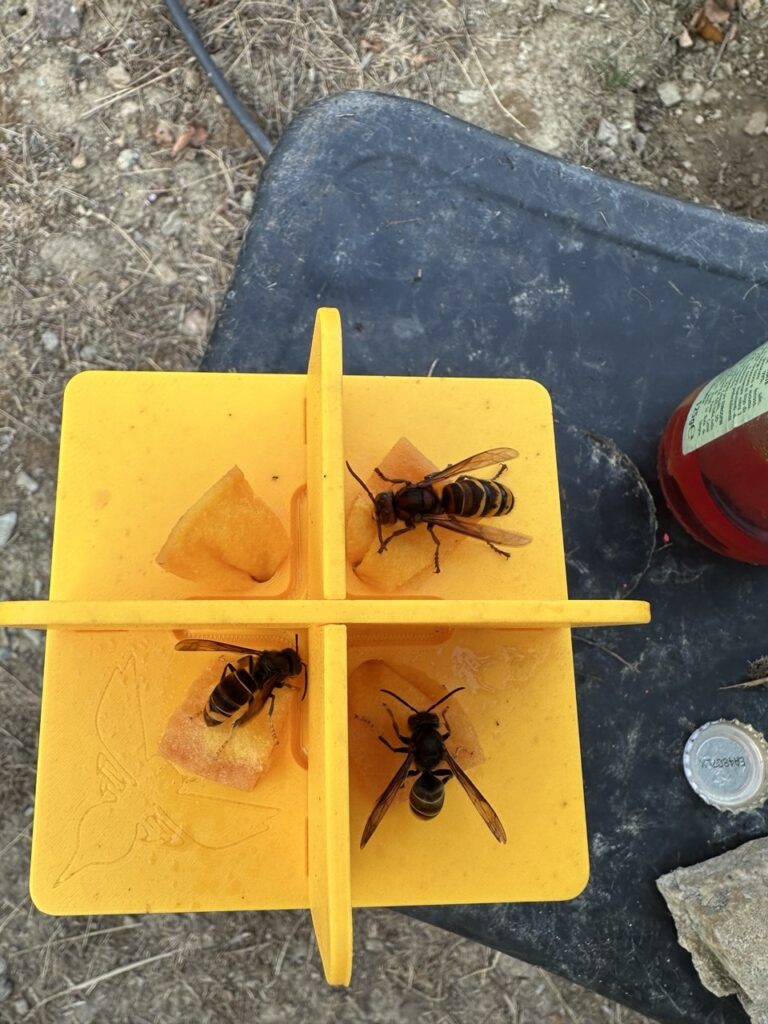
The wick pot (a pot with a wick) is an essential part of tracking; it’s easy to make yourself, as described in the tracking course video. The wick pot is used to feed the AH with attractant according to the wick pot method (Jersey Method). The wick pot makes it possible to time an AH, as it oscillates between the nest and the wick pot at a constant interval; based on the measured time, the distance to the nest is determined. In addition, the flight direction is determined, and this creates a search area within the VespaFinder app where the nest is located.
You can print the candle holder shown above yourself using a 3D printer; the files are available for free.
This candle holder has the following advantages:
AH and EH can drink together because the wicks are separate
The entire unit can be screwed on like a lid on a honey jar
Trapping device with insect trap (Snapy)
Drink trough to help time things more quickly
Selection Tool: Select without snapping, in just a few seconds
Free 3D print file available and easy to install
STL-files: Download here
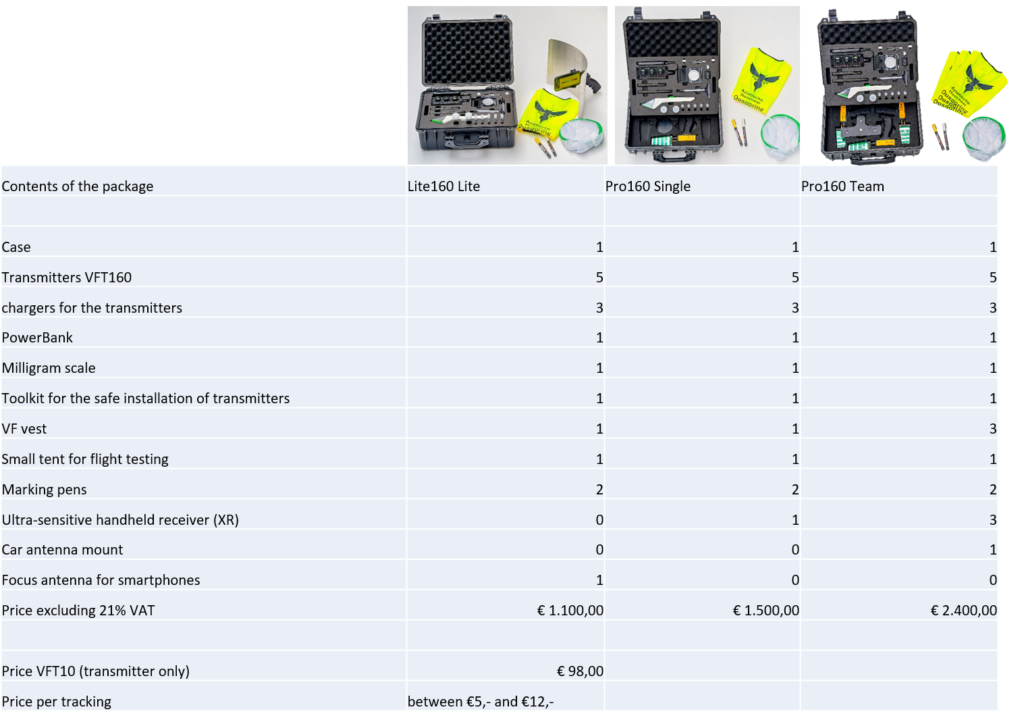
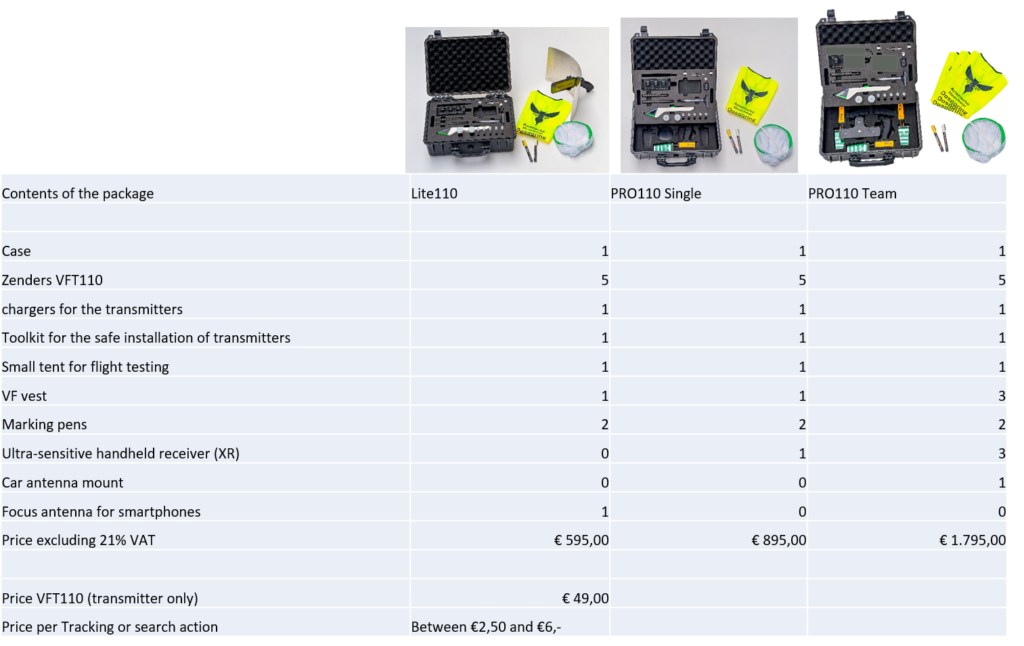
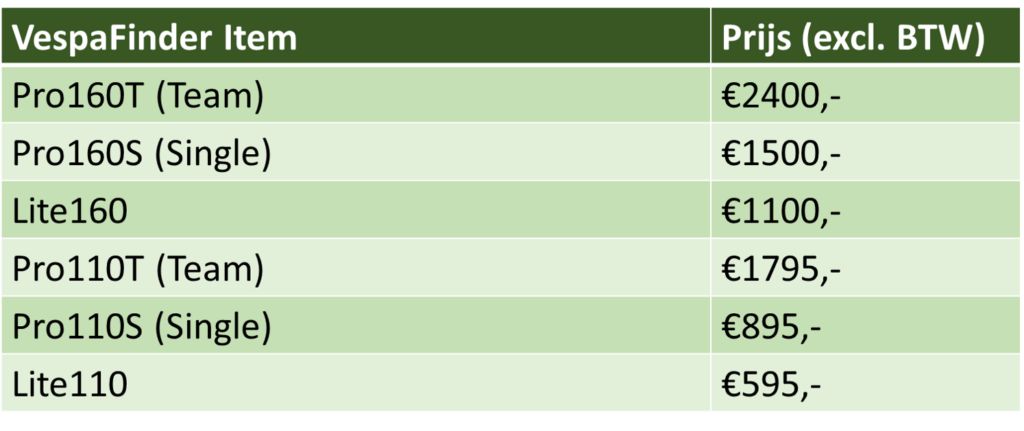
In this comprehensive course, you will learn, step by step, how to professionally locate Asian hornet nests. The training programme has been developed based on practical experience since 2017 and combines theory, practical examples and advanced detection techniques used in the field.
The course covers in detail the use of VespaFinder technology, interpreting flight paths and efficiently determining search areas. You will also learn how to tag hornets safely and in a controlled manner, and how to use transmitters effectively to pinpoint the location of nests.
Advanced techniques such as tagging hornets, drone support and the use of the VespaFinder app are also covered in detail. This results in a comprehensive, practical training programme for professionals, pest control operators and organisations actively involved in the control of the Asian hornet.
Robor Nature also organises practical training courses, workshops and demonstration days, during which participants gain hands-on experience of professional nest detection in the field.
A step-by-step guide to professional nest detection
Practical training developed on the basis of thousands of investigations
Use of VespaFinder technology and app
Advanced techniques such as tracking and drone detection
Practical examples and on-the-job training
Suitable for professionals, organisations and pest control operators